How To Build A Stronger YouTube Distribution Strategy In 2026
Discover how to improve YouTube distribution with stronger channel optimization, relevant keywords, promotion tactics, and audience-focused video content.

YouTube is not just a social platform. It is one of the world’s largest search engines, where buyers, researchers, and casual viewers go looking for answers every day.
That makes distribution a bigger job than upload alone.
Strong YouTube distribution means earning discovery inside the platform while pulling attention from search, social media platforms, email, and your website.
In this article, you’ll learn how to build a smarter distribution strategy, reach the right audience, and get more value from every video you publish.
What Is YouTube Distribution and Marketing?
YouTube distribution is how you get video content in front of the right viewers across YouTube, search, your website, email, and other channels.
YouTube marketing is the broader strategy behind that work. It covers planning, packaging, promotion, audience growth, and the business goals tied to each release. Together, these two functions help brands and creators turn video into a stronger channel for visibility, traffic, and growth.
That usually includes:
- Content planning: choosing topics, formats, and release timing based on audience interest
- Channel optimization: improving your YouTube channel setup, playlists, and positioning for easier discovery
- Search visibility: using relevant keywords, titles, descriptions, and thumbnails to improve reach
- Audience engagement: creating videos that hold attention and bring viewers back
- Cross-channel promotion: sharing content through email, blogs, websites, and social media platforms to extend reach
When done well, YouTube distribution and marketing help brands and creators increase visibility, reach more qualified viewers, and get more value from every video they publish.
Why Is YouTube Distribution Important?
As of early 2026, YouTube has over 2.7 billion monthly active users globally. This massive user base makes it the second most-visited website and social media platform in the world, trailing only Google.
A smart distribution plan helps each upload do more than sit on one channel and wait for discovery.
1. Reach Extends Far Beyond One Upload
A video can perform inside your YouTube channel, then keep working across your website, blog, email, and social media platforms.
That broader spread gives each release more surface area and gives your audience more ways to find, watch, and share your content.
2. Better Distribution Brings In A Better-Matched Audience
YouTube does not push videos to users at random. It pulls content based on individual viewer behavior, which makes audience fit and packaging far more important.
Strong YouTube distribution helps your video content show up in front of people who are more likely to care, engage, subscribe, or click through.
Relevant keywords, smart channel positioning, and promotion across other platforms all help connect your message with the right audience.
3. One Video Can Create Far More Value
A single recording can lead to clips, blog content, embeds, social posts, email assets, and follow-on promotion.
That gives brands and creators a more efficient content process and a stronger return from work already done.
Instead of treating YouTube as a one-and-done upload point, good distribution turns each video into a reusable marketing asset.

Pro tip: Use YouTube Shorts as a discovery path for your longer content. Pull 15 to 60 second moments from full videos, answer one clear question quickly, and earn attention fast. When a Short performs well, it can introduce new viewers to your channel and create a natural bridge to the full video.
4. Growth Gets Easier To Sustain
Audience growth rarely comes from one strong release. Channels grow when content keeps reaching new viewers while continuing to pull in existing subscribers.
A steady distribution strategy supports that cycle by giving every publish a clearer path to visibility, traffic, and long-term engagement.
5. Business Results Become Easier To Track
For brands, companies, and creators hoping to monetize content, distribution supports more than awareness.
A stronger system can drive traffic to product pages, service pages, lead magnets, events, or other conversion points.
That makes YouTube easier to connect with wider marketing goals, rather than treating video as a separate effort with fuzzy value.
How To Build A Strong YouTube Distribution Strategy
YouTube distribution works best when every upload has a clear path to discovery, promotion, and continued reach across channels.
Here are the key moves that can help your content go further.
1. Start With Clear Audience Intent
Before you publish, get specific about who the video is for, what problem it solves, and what action you want a viewer to take next.
A product demo, artist release, educational breakdown, and company update all need different packaging, promotion, and follow-up paths.
Strong distribution starts when the message lines up with a clearly defined target audience instead of chasing broad reach for its own sake.
1. Study Competing Channels Before You Publish
A strong YouTube distribution strategy starts with knowing what already works in your space. Review competing channels, top-performing videos, and content patterns across your niche before you plan your next release.
Look at topics, thumbnails, titles, posting cadence, format choices, audience response, and how those videos are promoted across other platforms.
This type of review can help you identify gaps, avoid weak positioning, and develop a more effective plan for reaching the right audience.
2. Optimize For Discovery Inside YouTube Search
YouTube’s algorithm prioritizes viewer satisfaction as a core signal, so stronger packaging and clearer intent can improve how a video performs across search, suggested videos, and other surfaces.
For example:
- Banner with clear positioning: make it obvious what your channel covers and who it helps
- About section with searchable keywords: use terms your target audience would look for on YouTube and Google
- Playlists by topic: group related videos so viewers can move through your content more easily
- Branded thumbnails: keep visuals consistent so your videos are easier to recognize in search and suggested feeds
- Channel trailer for new visitors: give first-time viewers a quick reason to subscribe and keep watching
YouTube says more than 20 million videos are uploaded daily, so strong metadata and tighter positioning help your content stand out in a crowded system.
3. Build More Than One Asset From Every Video
A single YouTube video can do far more than fill one slot on your channel. Strong distribution turns one recording into multiple assets that help your content reach different audiences across different platforms.
This kind of repurposing also makes each release more valuable, especially at a time when Wyzowl’s 2026 video marketing research says 93% of marketers see video as an important part of their strategy.
One video can become:
- Long-form YouTube video: the main release on your channel
- Shorts clips: cut standout moments into shorter videos for faster reach
- Blog embed: add the video to a related article on your website
- Email feature: include the release in a newsletter or campaign send
- LinkedIn snippets: pull key points into short professional posts
- X teaser thread: break the video into a short thread that drives viewers back to the full watch
That kind of repurposing gives every upload more surface area and helps your team get more value from content already created.
4. Distribute Across Owned And External Channels
Upload is only one step.
A stronger plan gives each video a clear path across the channels your audience already uses, which helps extend reach and creates more ways for viewers to find your content after publish day.
It also gives your business more control over how video supports traffic, leads, and audience growth.
Map each asset to the right channel:
- LinkedIn: expertise clips, insights, and professional takes
- Instagram: short visuals, Reels, and quick audience hooks
- X: fast hooks, short commentary, and links back to the full video
- Blog: embedded evergreen traffic tied to search-friendly topics
- Email: engaged returning viewers who already know your brand
- Website: product, service, or resource pages where video can support conversion
- YouTube Community posts: reminders, follow-ups, and extra touchpoints between uploads
5. Match The Format To The Distribution Channel
A full-length YouTube video, a short clip, a live streaming session, and a music release all serve different jobs.
Content performs better when the format matches the channel instead of getting reposted everywhere in the same form. That is especially important for artists and rights holders working with YouTube Music, official artist channels, or release campaigns that need a more specialized distribution process.
As of January 2026, Omdia’s research reported that YouTube had reached 29 billion videos, across formats, including music, Shorts, and podcasts, which is another reminder that format choice plays a big role in how content gets found and watched.
6. Improve Click-Through Rate With Stronger Thumbnails
Thumbnail design plays a major role in whether someone clicks or keeps scrolling. One clear focal point helps viewers understand the image fast, while emotion or curiosity can create enough interest to earn that first click. Mobile readability matters too, since cluttered visuals and small text can get lost on smaller screens. A consistent style across your channel also makes your content easier to recognize over time. Paired with a clear title and strong topic framing, these choices can improve click-through rate and help each upload gain traction earlier.
Calls to action can strengthen performance too. End screens, cards, and in-video prompts give viewers a clear next step, whether that means watching another video, exploring a playlist, subscribing, or visiting your website. Used well, these prompts can extend session time, increase clicks, and help each release keep moving through your wider distribution flow.
How To Promote Your YouTube Content Across Channels
A good release plan gives each video more ways to reach viewers, pull traffic, and support channel growth after publish day.
Use these promotion moves to keep content active across YouTube, search, social media platforms, email, and your website.
1. Use YouTube Advertising For Extra Reach
Paid promotion can help a new video reach a larger audience fast.
Use ads when you want more views, product awareness, event signups, app installs, or leads.
Short campaigns can also give useful early data on hook quality, audience response, and creative direction.
2. Run Video Campaigns Through Google Ads
Google Ads gives brands and businesses more control over audience targeting, budget, and campaign goals.
You can promote clips, full videos, or channel assets based on search behavior, interests, location, and device use. For teams chasing measurable growth, this route can support a cleaner process for testing message, offer, and audience fit.
3. Share Videos On Third-Party Platforms
Your video should travel beyond YouTube. Post clips on LinkedIn, Instagram, X, Facebook, and other digital platforms where your audience already spends time.
A strong caption, a clear link, and a format built for each platform can bring more viewers back to full content.
4. Use Email To Bring Viewers Back
Email still works well for launches, recaps, series updates, and event promotion.
A short intro, one clear link, and a strong reason to watch can drive engaged traffic from people who already know your brand or business.
For repeat series, newsletters can keep the audience’s attention warm between uploads.
5. Turn One Video Into Smaller Assets
One long recording can support short clips, quote graphics, blog content, audio snippets, and embeds across digital platforms.
This keeps promotion varied and gives viewers more entry points into one release. It also helps creators and companies stretch one piece of content further without burning extra time.
6. Use Collaborations And Sponsored Placements
Collaborations can open access to a new audience fast.
Guest spots, creator partnerships, sponsored mentions, and shared events can all push content into fresh channels.
For artists, brands, and industry voices, this approach can build trust faster than solo promotion.
7. Add Videos To Your Website And Blog
Your website and blog can keep a release working long after social reach slows down. Embed videos in product pages, resource hubs, case studies, or articles where context adds value.
This gives viewers a direct path from watch to next step, whether that means a signup, a service inquiry, or a deeper visit.
How To Measure YouTube Distribution Performance
A release can look strong on the surface and still do very little for growth.
Distribution performance becomes clearer once you look past raw view count and see where attention comes from, how long it holds, and what happens next.
1. Start With Watch Time
Viewership and engagement act like currency on YouTube, so a high view count means little if people leave early or ignore the next step.
Watch time gives a better read on whether your video held attention or lost people early.
If viewers drop off fast, distribution may be doing its job while content or packaging falls short.
2. Find Out Where Good Traffic Comes From
Traffic sources reveal which distribution channels are pulling their weight. Search may bring steady discovery. Suggested videos may push reach higher.
Email, embeds, and social media platforms may bring in smaller numbers with stronger intent. Look for quality, not volume alone.
Playlist traffic is worth tracking too, since strong watch continuation from playlists can keep viewers moving from one video to the next and increase total session value.
3. Look For Signs Of Real Audience Pull
Subscriber lifts, returning viewers, and repeat watch behavior say more about channel health than a one-off spike.
A growing returning viewer count usually signals that your channel is building habit, not just collecting one-time clicks.
A video that brings people back to your YouTube channel often carries more long-term value than one that peaks fast and disappears.
4. Track What Moves People Off The Video
For a business, brand, or creator with a commercial goal, performance should connect with action.
Check clicks on links, visits to your website, signups, demo requests, product page traffic, or other next-step behavior tied to a release.
Pairing YouTube Analytics with website analytics can give your team a clearer view of which videos are driving site visits and which distribution channels are sending more qualified traffic.
Traffic to your site is one of the clearest signals that a video is supporting business goals beyond on-platform engagement.
That’s where distribution starts proving commercial value.
5. Compare What Happens Across Formats
A full-length upload, a short clip, a blog embed, and a social promo post may all support one release in different ways.
One may pull views, another may drive traffic, and a third may help audience growth. Put those pieces side by side, so your next release gets shaped with more intent.
6. Use Patterns To Make Better Publishing Decisions
Over time, useful patterns start to show up.
Certain topics may pull a better audience. Certain formats may hold attention longer. Certain channels may drive stronger leads.
Once you spot those trends, your distribution process gets sharper and less wasteful.
7. Use YouTube Analytics To Spot What’s Working
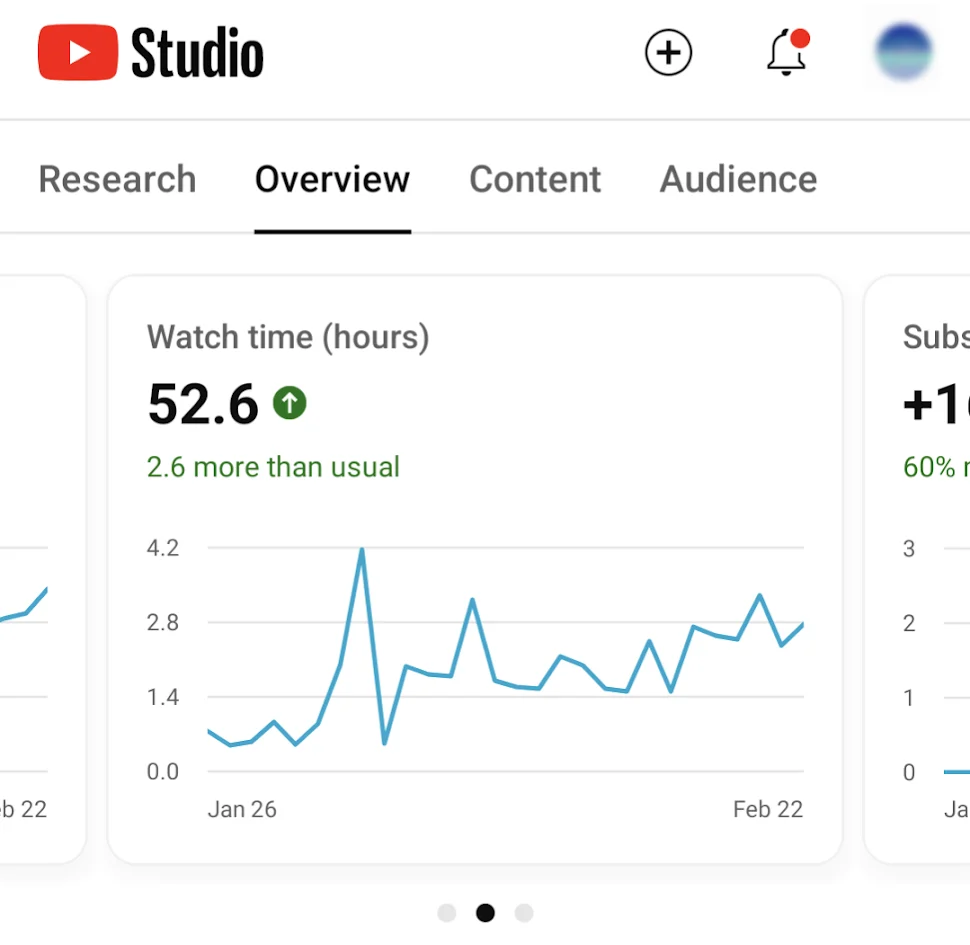
YouTube Analytics gives your team a clearer view of how each release performs after publish day.
You can track Average View Duration, audience retention, click-through rate, subscriber lifts, traffic sources, and returning viewers in one place. Average View Duration shows how much of a video people watch, which makes it useful for judging whether the content keeps attention.
Subscriber conversion rate can also help show which videos are turning casual viewers into channel followers.
Audience retention matters too, since YouTube tends to favor videos with stronger retention and higher viewer satisfaction over raw watch time alone.
For example, did you know videos under 2 minutes long have the highest engagement rate on YouTube, with an average retention rate of 50%?
Using this knowledge, businesses can tailor their content to meet the preferences of their audience.
Why Distribution.ai Is A Strong Choice For YouTube Distribution
YouTube distribution gets expensive over time, once every release needs clips, captions, blog support, social posts, scheduling, and follow-up analysis across multiple channels.
Most teams end up stitching together separate tools for repurposing, publishing workflows, and reporting, which slows output and creates extra manual work.
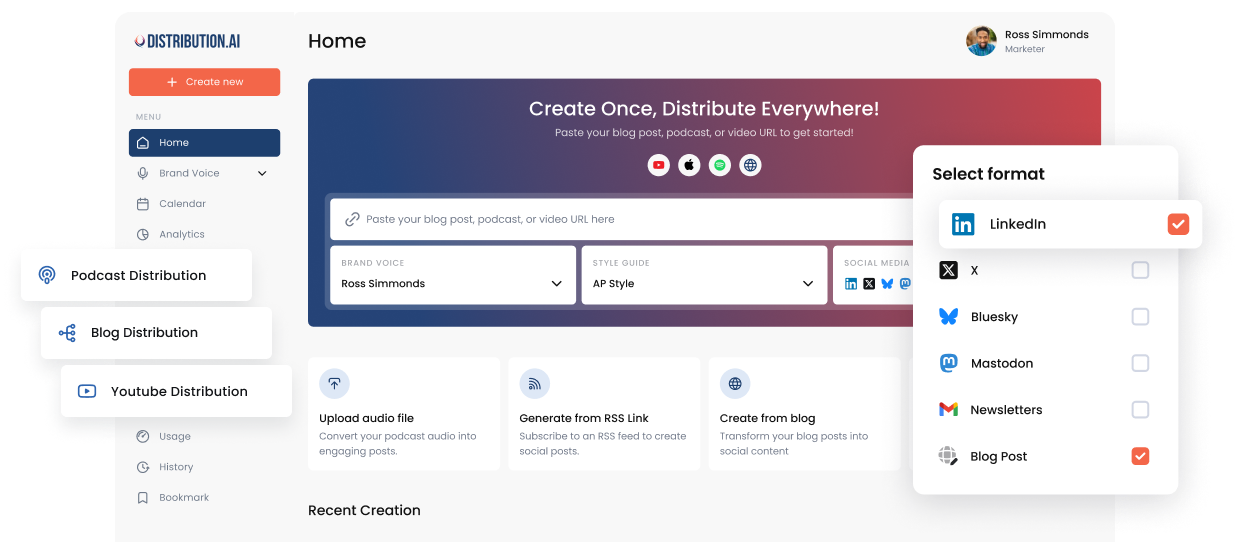
Distribution.ai gives marketing teams a more focused way to handle that process.
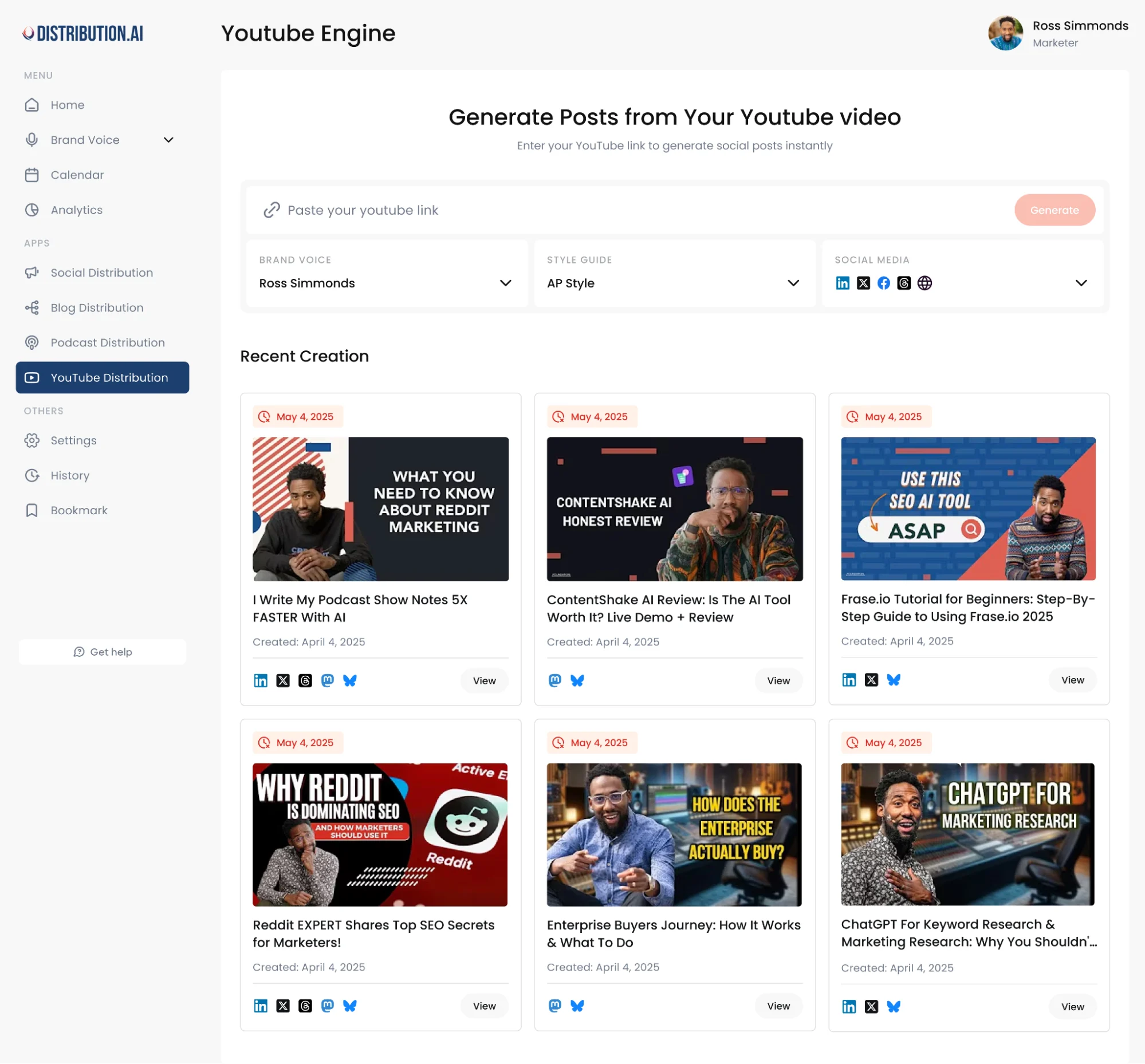
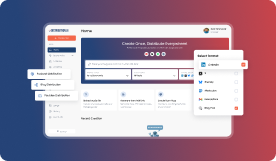
A single video, podcast, or blog can turn into channel-ready assets built for YouTube, social media platforms, email, and other digital platforms from one workflow.
Instead of stopping at draft creation, Distribution.ai helps teams move from source content to repurposed assets, distribution, scheduling, and analytics with far less friction.
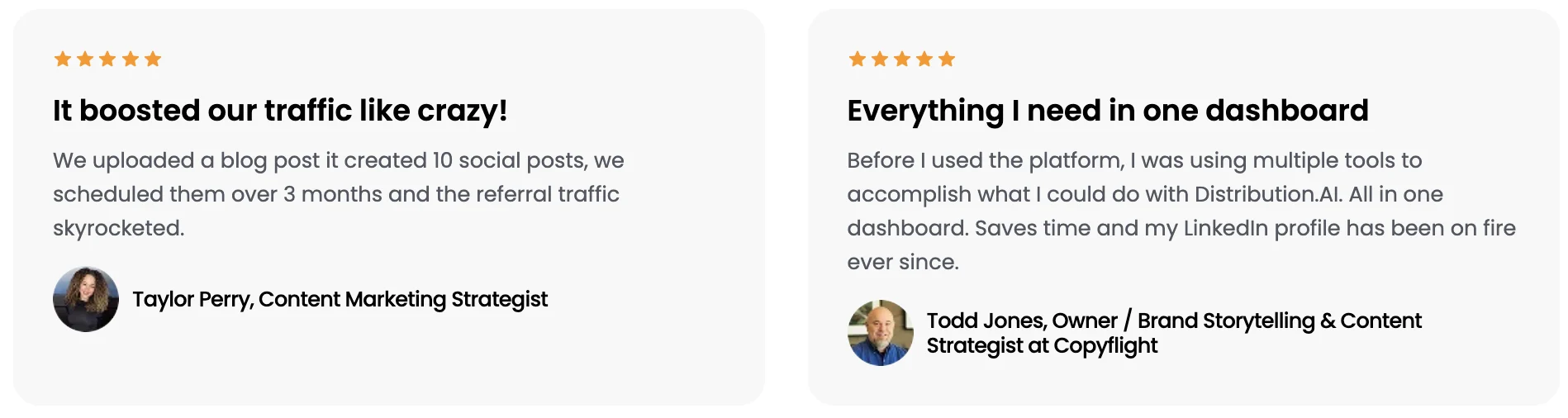
If your team wants more reach from existing video content without adding more workflow drag, Distribution.ai is a smart next step.
Frequently Asked Questions
1. How Long Does YouTube Distribution Usually Take To Show Results?
Early signals like views, clicks, and watch time can show up within days.
Bigger gains such as audience growth, stronger traffic patterns, and better lead flow usually take longer. A steady release schedule, smart promotion, and consistent packaging tend to improve results over time.
2. Should Every Video Get The Same Distribution Plan?
No. A product demo, event recap, customer story, music release, and educational video all call for different promotion paths.
Stronger teams adjust format, timing, channel mix, and message based on goal, audience, and content type.
3. How Often Should You Repromote Older YouTube Videos?
Older videos can still bring value when topic relevance stays strong. Evergreen content, tutorials, explainers, and high-intent videos often deserve fresh clips, new embeds, updated blog placement, or another email mention.
Repromotion works best when tied to a timely angle or a proven traffic source.
4. What Makes A YouTube Video Worth Promoting With Paid Budget?
Put a budget behind videos with a clear goal and a strong next step. Good candidates include product explainers, launches, webinars, event promos, lead magnets, or videos already showing solid watch time and click-through performance.
Paid support works best when creative, audience targeting, and offer are already aligned.
5. What Is A Good YouTube Distribution Workflow For A Small Team?
A practical workflow starts with one core video, then branches into a few high-value assets: one blog embed, a short email send, two or three social clips, one community post, and one follow-up review of performance.
Small teams usually get better results from consistency and reuse than from trying to post everywhere at once.
Promote, repurpose & distribute your content with AI
Write 10x faster, engage your audience, & never struggle with the blank page again.
Start 15-Day Free Trial
Frequently Asked Questions
Author

Promote, repurpose & distribute your content with AI
Start 15-Day Free Trial